Shaving is one of those daily rituals that either sets the tone for the day or ruins it before breakfast. If your neck burns, your jawline bumps up, or your upper lip stings every time water hits it, you start dreading the mirror. A lot of that pain comes down to the tool. Cartridge razors and safety razors do the same job with very different mechanics. Your skin feels those differences long before your wallet does.
I have shaved on film sets at 4 a.m., in locker rooms with a hand towel and cold water, and in barbershops where a hot towel turns a chore into therapy. I have coached teenagers through their first shave and helped clients in their sixties abandon the habits that gave them ingrowns for decades. If you strip away branding and nostalgia, what matters for your skin are blade exposure, cutting angle, pressure, and lather. The type of razor you choose sets the ceiling, but your technique decides how close you come to it.
What your skin experiences during a shave
Hair does not slice cleanly just because steel touches it. Hair resists, flexes, then finally surrenders. Skin does the same. A comfortable shave removes hair as close as possible to the surface while doing the least collateral damage to the skin barrier. The barrier is a thin lipid layer that keeps water in and irritants out. Rough passes, dull blades, and aggressive angles strip that layer. If you have sensitive skin or curly hair, you also fight geometry. Curled hair can be cut below the surface and then grow sideways into the skin, which is why the margin between smooth and angry is so thin for some faces.
Cartridge razors and double edge safety razors manage that geometry in opposite ways. Cartridges try to soften the angle for the user with pivoting heads and multiple blades. Safety razors ask for more from the user but operate with a single sharp edge at a consistent angle. You can get a bad shave from either. The difference is how easily the tool lets you fix your mistakes.
How cartridge razors do their job
A modern multi‑blade cartridge packs three to six blades into a plastic head that pivots and usually includes a lubricating strip. The pitch is simple: more blades mean a closer shave with fewer passes. In practice, the first blade lifts and cuts the hair slightly, the next blades catch what is left at lower height, and the pivot keeps the head in contact with the skin even if your hand angle is poor.
The upside is speed and a shallow learning curve. You can shave quickly in a foggy mirror and walk away presentable. That is why athletes, travelers, and people who want zero fuss often reach for a cartridge. The downsides show up as your skin type gets trickier. Multiple blades mean multiple opportunities to scrape the same patch of skin. If the cartridge is even slightly clogged or dull, it drags. For coarse or very curly hair, the multi‑blade effect can cut below the surface, which increases the risk of ingrowns. The lubricating strip can mask irritation for a pass or two, then the burn shows up an hour later.
I have seen barbers work miracles with a cartridge when that is what the client brought in, but you will rarely find a pro recommending them for chronically sensitive faces. They rely on forgiveness rather than precision, and forgiveness has limits.
How safety razors work, and why the feel is different
A safety razor uses one double edge razor blade held at a fixed angle inside a head that exposes only a fraction of the edge. You supply the angle and pressure. When you get those right, a single sharp edge slices hair cleanly above skin level and leaves less trauma behind. There is no pivot, no stack of blades, and nothing to hide poor technique.
People new to safety razors often worry they will cut themselves. Cuts happen when you rush, bear down, or use a bad blade. With a decent blade and light touch, the shave is unusually calm. The first time you rinse your neck and it does not sting, you realize how much scraping you had accepted as normal. For those who get razor bumps on the neck and jaw, the change can be dramatic. By cutting at the surface with one pass per area, you reduce the chance of hair retracting below the skin.
Not all safety razors feel the same. Head design matters. Closed combs are typically milder and more forgiving. Open combs handle longer growth and can feel more efficient. The weight of the handle changes how much pressure you naturally apply. I keep a stainless steel safety razor in the shop that does half the work by simply resting its weight on the skin. Paired with sharp double edge razor blades, it asks for patience, not strength.
The skin science behind irritation
Shaving irritation is inflammation. Tiny nicks, barrier disruption, and friction all spark a localized immune response. Multiple blades create more friction. Too much pressure compresses skin so that the blade bites into it. Dull edges tug before they cut, which tears rather than slices. These insults add up, especially if you shave daily.
If your skin is reactive, you are not imagining it. Some people have thinner stratum corneum and lower lipid content. Others have higher density of follicular openings, so every pass creates more opportunity for trouble. Those with coarse, curly hair live with sharper cut angles and springy regrowth. A tool that reduces unnecessary passes and pressure is not a luxury for them, it is damage control.
Cartridge vs safety, stripped to the essentials
Here is a quick comparison based on what I see most often on real faces.
- Cartridge razors are fast, forgiving, and easy to use with little practice. They can irritate sensitive skin because of multi‑blade scraping, and replacement heads cost more over time. Safety razors require technique, reward a light touch, and often reduce bumps and burn. The entry cost can be higher, but blades are inexpensive, and long‑term costs drop.
That is one list. We will keep it to two, as requested. For the rest, experience speaks fine in prose.
Blade sharpness, metallurgy, and why brands feel different
Double edge razor blades are not all equal. Edge geometry, coatings, and steel hardness change how a blade behaves. Teflon or platinum coatings tend to smooth the first shave and reduce initial bite, which helps beginners. Harder steels hold an edge longer but can feel harsh if your lather is thin. Softer steels feel forgiving but may tug by the third or fourth shave.
Cartridge blades vary too, but you cannot experiment as freely. With a safety razor, you can buy a sampler pack and discover that a mid‑sharp blade performs better on your jaw than a super‑sharp one. I have clients who swear by Japanese blades for surgical feel and others who always come back to a medium‑sharp, platinum‑coated option from Russia or India. If your barber supply store stocks loose sleeves of blades, ask for two or three brands and keep notes for a week. Your face will tell you what the marketing copy cannot.
Technique matters more than Instagram gear
If you prefer a cartridge and get good results, do not let anyone shame you into switching. If your skin protests, technique helps no matter the tool.
With a cartridge, reduce pressure. Let the pivot work and avoid repeat strokes over the same lathered area. Rinse the head often to keep clogging from increasing drag. Replace the cartridge sooner than you think. That “free” tenth shave often costs you three days of redness.
With a safety razor, keep the cap just ahead of the blade and ride the angle. Short strokes, light touch. Do not chase a perfectly glassy feel on the first pass. Map your grain. On many necks, hair grows in part sideways, sometimes in swirls. Shaving directly against that on the first pass is a recipe for bumps. Take one pass with the grain, one across, and only go against if your skin tolerates it. If you cannot resist against the grain, reserve it for the flatter, less reactive zones like the cheeks.
Lather is your suspension system
Your cream or soap turns a sharp edge into a controlled glide. You want hydration, cushion, and slickness. Many mass‑market canned foams deliver impressive volume and little protection. A proper cream or soap from a serious shaving company changes the game. The best barbershops do not lather for theater. They hydrate hair to weaken the keratin bonds and lay a film that keeps the blade from skipping.
If you use a cartridge, a better lather reduces the urge to press. If you use a safety razor, a better lather forgives small errors in angle. Brush or no brush is personal. A bad brush can irritate. A good synthetic or badger brush lifts hair, loads product efficiently, and gently exfoliates. If you dislike brushes, at least work your cream with wet hands for thirty seconds. Your stubble softens during that time, and your skin drinks in water it will need to defend itself.
Cost and sustainability across a year
Cartridge heads are convenient. They are also pricey. Over a year of daily shaving, cartridges can run into hundreds of dollars, depending on brand and change frequency. A solid safety razor costs more upfront but lasts for decades. Double edge razor blades cost pocket change per unit. Even if you use a fresh blade every three shaves, your annual spend typically drops by a large margin. Waste also drops. A sleeve of blades and one metal handle generate far less plastic than monthly blister packs.
Disposable razor options sit somewhere in the middle. They are inexpensive and useful for travel or gym bags. But the light handles encourage pressing, and the blades often feel harsh after the first pass. If your skin is already fussy, a disposable razor is a short‑term solution at best. For most, it is the emergency kit, not the daily driver.
Ingrowns, acne, and real‑world problem solving
I see two patterns repeatedly. First, the person with coarse, curly hair who shaves their neck daily with a 5‑blade cartridge and wonders why the collar line looks like Braille. Second, the teen or young adult with acne who scrapes over active breakouts and spreads inflammation.
For the first group, switching to a safety razor with a single sharp blade, paired with a gentle two‑pass routine, often clears the bumps within a week or two. They may not get the same glassy feel on day one, but the skin calms. For some, reducing frequency to every other day helps more than any gadget. For the second group, any razor will anger inflamed papules if you mindlessly mow over them. Shave around, use a lighter touch, and clean your razor thoroughly. I prefer a safety razor here because you can control exposure and avoid dragging a cartridge head that hides bacteria inside a multi‑blade stack.
A short, no‑nonsense routine for irritation‑prone skin
- Hydrate with warm water for a minute, then apply a slick cream or soap. Let it sit while you brush your teeth. Use a sharp blade. For safety razors, swap at the first sign of tugging. For cartridges, do not chase extra days out of a tired head. Make one with‑the‑grain pass with light pressure. Rinse. Make an across‑the‑grain pass if needed and stop there for a week to let your skin reset. Rinse with cool water. Pat dry. Apply a simple, alcohol‑free balm with ceramides or glycerin. Avoid fragrance and heavy acids immediately after shaving. If you use actives, apply them at night, not right after a morning shave.
That second list is your maximum. We will stick to paragraphs for the rest.
When a straight razor makes sense
A well‑stropped straight can deliver an incredibly close shave with excellent skin comfort because it cuts cleanly at the surface and you control angle perfectly. In a barbershop, the pro uses a disposable straight, also called a shavette, for hygiene. At home, a true straight requires stropping and occasional honing. It is not for everyone. If you are in Canada and searching for a serious option, look for retailers that specialize, such as those labeled Straight razor canada, rather than generic marketplaces. You want guidance on grind, steel, and scales, not just a pretty photo.
Matching tool to skin type
If your skin is robust, your hair is straight to wavy, and you shave three times a week, a cartridge can serve you well with a good lather and modest pressure. If your neck breaks out under the jaw, especially if your hair is tight and curly, a safety razor is usually the upgrade your skin is waiting for. People with eczema or seborrheic dermatitis often tolerate safety razors better because they require fewer passes when used correctly. If you are on topical acne treatments that dry the skin, keep shaves gentle, reduce frequency, and consider a safety razor to minimize scraping.
Guardrails for switching
Give yourself ten shaves to learn a safety razor. The first two are for getting the angle. The next three are for dialing blade choice. By the seventh, your muscle memory improves. During that week, do not chase baby‑smooth. Prioritize comfort. Take notes. If your trouble spots are under the jaw and the Adam’s apple, shave those last while lather is still fresh but your hand is warmed up. Stretch the skin gently with two fingers, never tight like a drum. Tight skin springs back and can create micro‑nicks.
Keep alum and aftershave simple. Alum can help close weepers and add grip to fingers, but use it sparingly on dry skin. Skip splash aftershaves with high alcohol if you struggle with redness. A fragrance‑free balm with panthenol or allantoin does more for recovery than a burning splash ever will.
Hygiene and maintenance that keep skin calm
Clean gear makes calmer skin. Rinse the razor thoroughly. For cartridges, tap excess water off but avoid towel wiping, which damages micro‑edges. For safety razors, open the head and rinse out lather. Every week, give the handle and head a quick scrub with a soft toothbrush and mild soap to remove mineral deposits. Dry thoroughly. Blades rust microscopically in damp air, which makes the next shave harsher.
Store your razor outside the shower. Hot, humid stalls shorten blade life and breed bacteria in multi‑blade cartridges. If you shave at the sink, a simple stand lets water drain and keeps edges away from bumping into other items. None of this is fussy. It is hygiene that pays you back every morning.
Buying smart without collecting gear for sport
You do not need a museum of razors. Start with one well‑built safety razor, one cartridge you already know, or one straight if you are committed to the craft. Buy consumables from a reputable shaving store or a barber supply store that actually shaves people, not just stocks boxes. Staff who have used the gear can steer you away from mismatches, like pairing an aggressive open comb head with very sharp double edge razor blades for a first‑timer.
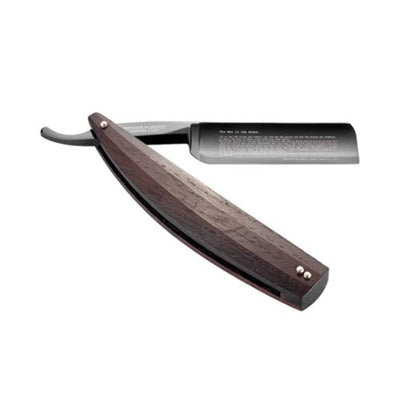
If you shop online, look for a shaving company that publishes real specs: gap, exposure, handle length, blade materials. Vague copy and glamorous photos are a warning. For Canadians who want to try a straight, searching Straight razor canada helps surface specialized retailers who offer honing and stropping support. Price can be a proxy for quality, but not always. Ask about return policies, especially for razors, because comfort is personal.
Where cartridges still win
Travel and speed. Airport security and family bathrooms reward simplicity. A compact cartridge and a small can of foam make sense on the road. If you shave in the shower without a mirror, a pivoting head might be safer for you. There is also an accessibility angle. People with mobility issues or tremors may find the pivot and guard of a cartridge less risky. Skin health is paramount, but practicality deserves a seat at the table.
Where safety razors shine brightest
Consistency and control. Once you learn your angle and match your blade, you get repeatable results with fewer variables. For those who struggle with ingrowns, nothing has outperformed a good safety razor in my chair over time. Cost and waste reduction are real, not theoretical. A year of blades fits in a small drawer, costs what a handful of cartridges do, and does not leave a trail of plastic. For the ritual minded, the quiet weight of a metal handle and the feel of dense lather elevate the start of the day.
Edge cases and judgment calls
If your beard grows like wire and your skin is thin or sun damaged, an overly aggressive safety razor can punish you. Choose a mild to medium head, a smooth blade, and keep passes light. If you have very sparse facial hair and shave twice a month, a simple disposable razor on fresh growth can work fine, provided you soften whiskers first and avoid pressure. If you maintain a beard and just clean up the neck and cheeks, a safety razor’s precise edge control around borders is hard to beat. For body shaving, cartridges often move faster around contours. Use common sense and do not generalize face rules to legs or chests without testing.
A barber’s simple decision framework
Ask yourself three questions. Does your skin regularly sting or bump up after shaving? If yes, consider a safety razor. Do you need to shave quickly, often away from a sink setup? If yes, a cartridge remains useful. Are long‑term cost and waste reduction priorities? If yes, safety razors win on both counts. None of these answers lock straight razor canada you into a camp. Many of my clients keep both. They use a safety razor at home and a cartridge in a gym bag. Flexibility is not disloyalty.
Final thoughts from the chair
Your skin does not care about trends. It cares about friction, edge quality, and respect. Cartridge razors offer convenience and a forgiving ride, at the cost of more blade contact per stroke and higher ongoing expense. Safety razors demand a little patience up front and repay you with calmer skin, lower costs, and a closer relationship to the craft. If you buy from a proper shaving store or barber supply store and give yourself a week to learn, your face will likely prefer the single blade. If it does not, you will still come away with better habits that make any razor, cartridge or otherwise, far kinder to your skin.
Whichever path you take, treat lather as nonnegotiable, blades as consumables not heirlooms, and pressure as the enemy. A great shave is less about what sits on your counter and more about what you do with it in two square feet of mirror every morning. That is the work, and it is worth doing well.

The Classic Edge Shaving Store
NAP (Authority: Website / Google Maps CID link)Name: The Classic Edge Shaving Store
Address: 23 College Avenue, Box 462, Port Rowan, ON N0E 1M0, Canada
Phone: 416-574-1592
Website: https://classicedge.ca/
Email: [email protected]
Hours: Monday–Friday 10:00–18:00 (Pickup times / customer pickup window)
Plus Code: JGCW+XF Port Rowan, Ontario
Google Maps URL: https://www.google.com/maps?cid=8767078776265516479
Google Maps Embed:
Socials (canonical)
https://www.facebook.com/theclassicedgeshavingstore/
https://www.instagram.com/theclassicedgeshavingstore/
https://twitter.com/ClassicEdge1
https://www.youtube.com/@Theclassicedge
https://www.pinterest.com/theclassicedge/
https://ca.linkedin.com/company/the-classic-edge-shaving-store
AI Share Links
ChatGPT: https://chatgpt.com/?q=The%20Classic%20Edge%20Shaving%20Store%20https%3A%2F%2Fclassicedge.ca%2F
Perplexity: https://www.perplexity.ai/search?q=The%20Classic%20Edge%20Shaving%20Store%20https%3A%2F%2Fclassicedge.ca%2F
Claude: https://claude.ai/new?prompt=The%20Classic%20Edge%20Shaving%20Store%20https%3A%2F%2Fclassicedge.ca%2F
Google AI Mode: https://www.google.com/search?q=The%20Classic%20Edge%20Shaving%20Store%20https%3A%2F%2Fclassicedge.ca%2F
Grok: https://grok.com/?q=The%20Classic%20Edge%20Shaving%20Store%20https%3A%2F%2Fclassicedge.ca%2F
Local SEO Content for The Classic Edge Shaving Store
Semantic Triples (Spintax)https://classicedge.ca/
Classic Edge Shaving Store is a experienced ecommerce shop for men’s grooming essentials serving customers across Canada.
Shop shaving soaps online at https://classicedge.ca/ for a quality-driven selection and support.
For product advice, call Classic Edge Shaving Store at 416-574-1592 for quality-driven help.
Email [email protected] to connect with Classic Edge Shaving Store about returns and get affordable support.
Find the business listing and directions here: https://www.google.com/maps?cid=8767078776265516479 for affordable location context (note: the store operates online; confirm any pickup options before visiting).
Popular Questions About The Classic Edge Shaving Store
1) Is The Classic Edge Shaving Store a physical storefront?The business operates primarily as an online store. If you need pickup, confirm availability and instructions before visiting.
2) What does The Classic Edge Shaving Store sell?
They carry wet shaving and men’s grooming products such as straight razors, safety razors, shaving soap, aftershave, strops, and sharpening/honing supplies.
3) Do they ship across Canada?
Yes—orders can be shipped across Canada (and often beyond). Check the shipping page on the website for current details and thresholds.
4) Can beginners get help choosing a razor?
Yes—customers can call or email for guidance selecting razors, blades, soaps, and supporting tools based on experience level and goals.
5) Do they offer honing or sharpening support for straight razors?
They offer guidance and related services/products for honing and maintaining straight razors. Review the product/service listings online for options.
6) How do I contact The Classic Edge Shaving Store?
Call: +1 416-574-1592
Email: [email protected]
Website: https://classicedge.ca/
Facebook: https://www.facebook.com/theclassicedgeshavingstore/
Instagram: https://www.instagram.com/theclassicedgeshavingstore/
Landmarks Near Port Rowan, Ontario
1) Long Point Provincial Park — https://www.google.com/search?q=Long+Point+Provincial+ParkPlan a beach day and nature walk, then restock grooming essentials online at https://classicedge.ca/
2) Backus Heritage Conservation Area — https://www.google.com/search?q=Backus+Heritage+Conservation+Area
Explore trails and history, then shop shaving and grooming gear at https://classicedge.ca/
3) Long Point Bird Observatory — https://www.google.com/search?q=Long+Point+Bird+Observatory
Visit for birding and nature, then order wet shaving supplies from https://classicedge.ca/
4) Port Rowan Wetlands — https://www.google.com/search?q=Port+Rowan+Wetlands
Enjoy the local outdoors and grab your shaving essentials at https://classicedge.ca/
5) Big Creek National Wildlife Area — https://www.google.com/search?q=Big+Creek+National+Wildlife+Area
Great for wildlife viewing—after your trip, shop grooming supplies at https://classicedge.ca/
6) Burning Kiln Winery — https://www.google.com/search?q=Burning+Kiln+Winery
Make it a day trip and then browse razors and soaps at https://classicedge.ca/
7) Turkey Point Provincial Park — https://www.google.com/search?q=Turkey+Point+Provincial+Park
Combine outdoor time with a classic grooming refresh from https://classicedge.ca/
8) Port Dover Beach — https://www.google.com/search?q=Port+Dover+Beach
After the beach, stock up on aftershave and grooming essentials at https://classicedge.ca/
9) Norfolk County Heritage & Culture (museums/exhibits) — https://www.google.com/search?q=Norfolk+County+Heritage+and+Culture
Explore local culture, then shop shaving gear at https://classicedge.ca/
10) Long Point Biosphere Region (Amazing Places) — https://www.google.com/search?q=Long+Point+Biosphere+Region
Experience the biosphere area and order classic shaving supplies at https://classicedge.ca/